
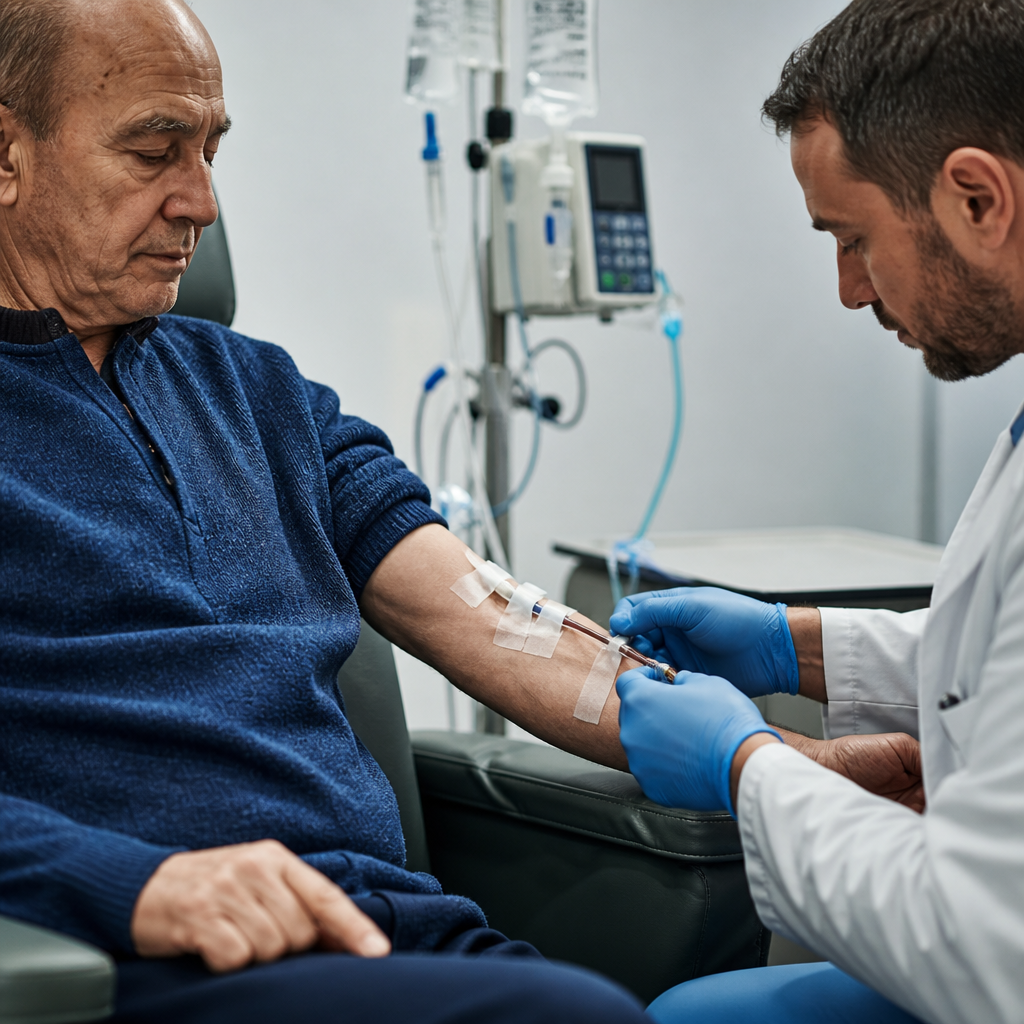

Cancer treatment saves lives, but the therapies that destroy malignant cells can also create unexpected challenges for the cardiovascular and vascular systems. Chemotherapy, radiation, immunotherapy, and targeted treatments may damage blood vessels, alter circulation patterns, and increase the risk of conditions ranging from deep vein thrombosis to chronic venous insufficiency. Understanding these vascular side effects allows patients and healthcare teams to monitor complications early and manage them effectively alongside primary cancer care.
The Vascular Impact of Common Cancer Therapies
Chemotherapy agents work by targeting rapidly dividing cells, but the endothelial cells lining blood vessels can sustain collateral damage during treatment cycles. Anthracyclines and platinum-based drugs are particularly associated with endothelial dysfunction, which manifests as reduced nitric oxide production and increased oxidative stress within vessel walls. This damage can persist long after treatment ends, contributing to arterial stiffness and impaired blood flow regulation.
Radiation therapy poses distinct vascular risks depending on the treatment field. When radiation targets tumors near major blood vessels or includes vascular structures in the treatment volume, it can cause progressive fibrosis and narrowing of arteries and veins over months or years. Breast cancer patients who receive chest wall radiation, for example, may develop subclavian vein stenosis, while abdominal radiation can affect mesenteric circulation.
Newer immunotherapy and targeted therapy agents introduce different mechanisms of vascular injury. VEGF inhibitors, designed to starve tumors of blood supply, can also elevate blood pressure and increase thrombotic risk throughout the body. Checkpoint inhibitors occasionally trigger autoimmune-mediated vasculitis, though this remains relatively uncommon compared to other side effects.
Venous Complications During and After Treatment
Cancer itself elevates thrombotic risk through multiple pathways, including production of procoagulant factors by tumor cells and compression of vessels by growing masses. Treatment compounds this baseline risk substantially. Patients undergoing chemotherapy face a four to seven-fold increased likelihood of developing venous thromboembolism compared to the general population, with certain tumor types and specific drug regimens carrying even higher rates.
Central venous catheters, essential for administering many cancer therapies, create additional thrombotic risk through direct vessel trauma and chronic irritation of the vein wall. Port-related thrombosis can occur in up to 15 percent of patients with long-term central access, sometimes necessitating catheter removal and anticoagulation even as treatment continues.
Beyond acute thrombotic events, cancer survivors often develop chronic venous insufficiency as a late effect of treatment. Prolonged immobility during treatment, lymphedema from surgical node removal, and direct vascular damage from therapies all contribute to valve dysfunction and venous hypertension in the lower extremities. These changes may not become clinically apparent until years after treatment completion.
Managing Venous Health During Cancer Care
Comprehensive cancer centers now recognize that vascular health requires active attention throughout the treatment continuum. Risk stratification helps identify patients who benefit from prophylactic anticoagulation during high-risk periods, though this must be balanced against bleeding risks in patients with thrombocytopenia or tumor-related hemorrhage potential.
When chronic venous problems emerge, specialized vascular evaluation becomes essential. Patients who develop persistent leg swelling, skin changes, or varicose veins after cancer treatment need assessment that accounts for their oncologic history and ongoing treatment considerations. Varicose veins treatment Abu Dhabi through Cleveland Clinic Abu Dhabi’s specialized vein clinic addresses these complex cases with expertise in managing venous disease in cancer survivors, coordinating care with oncology teams to ensure treatments remain safe during ongoing cancer monitoring or maintenance therapy.
Arterial and Microvascular Changes
While venous complications receive considerable attention, arterial injury from cancer treatment creates equally significant long-term health implications. Radiation-induced arterial disease can manifest decades after treatment, with accelerated atherosclerosis in previously irradiated vessels. Young women treated for Hodgkin lymphoma with mediastinal radiation show elevated rates of coronary artery disease at ages when this would otherwise be uncommon.
Microvascular dysfunction affects small vessels throughout the body, contributing to symptoms that patients and providers may not immediately recognize as vascular in origin. Chemotherapy-induced peripheral neuropathy, for instance, involves both direct nerve toxicity and microvascular injury that reduces blood supply to peripheral nerves. Similarly, cognitive changes after treatment may partly reflect microvascular damage in cerebral circulation rather than purely neurotoxic mechanisms.
The healthcare sector’s increasing focus on survivor care has highlighted these connections. Organizations providing certifications for IT administrators in medical settings now emphasize data security for long-term survivorship registries that track late effects like cardiovascular disease, ensuring this information remains protected while advancing understanding of treatment-related vascular injury patterns.
Protective Strategies and Monitoring Approaches
Modification of cardiovascular risk factors becomes especially important for cancer patients and survivors given their elevated baseline vascular risk. Blood pressure control, lipid management, smoking cessation, and diabetes management all warrant intensified attention. Some oncology programs now embed cardiovascular risk screening into routine survivorship care, recognizing that heart disease may ultimately pose greater long-term mortality risk than cancer recurrence for certain survivor populations.
Exercise presents a paradox in this context. Physical activity improves endothelial function and reduces thrombotic risk, yet many patients face barriers to exercise during treatment due to fatigue, neuropathy, or deconditioning. Structured rehabilitation programs that begin during active treatment and continue into survivorship show promise for mitigating vascular complications, though implementation remains inconsistent across cancer centers.
Emerging research explores whether specific supplements or medications might protect vascular health during cancer treatment. Statins show potential cardioprotective effects in patients receiving anthracyclines, while antioxidants present a more complex picture given concerns about interfering with treatment efficacy. These interventions require careful evaluation within clinical trials rather than empiric use.
The Evolution of Integrated Care Models
Advanced cancer institutes increasingly adopt multidisciplinary models that bring vascular specialists, cardiologists, and other subspecialists into collaborative care planning with medical oncologists. This integration allows real-time adjustment of cancer treatment protocols when vascular complications emerge, rather than forcing patients to choose between managing their cancer and addressing circulatory problems. Institutions like Cleveland Clinic Abu Dhabi since its 2015 opening have demonstrated this comprehensive approach, coordinating specialist input across organ systems affected by cancer and its treatment.
Communication between specialists proves critical when vascular interventions become necessary during active cancer treatment. Anticoagulation for thrombosis, for instance, requires coordination with oncology teams regarding bleeding risk from thrombocytopenia or planned procedures. Similarly, vascular surgeons addressing treatment-related vessel problems must understand how cancer therapies affect wound healing and infection risk.
Looking Forward in Vascular Oncology
As cancer survival rates improve and more patients live decades beyond their initial diagnosis, the vascular late effects of treatment demand greater attention from researchers and clinicians alike. Identifying which patients face highest risk for specific complications could enable more targeted prevention strategies. Genetic markers of endothelial vulnerability, baseline vascular function testing before treatment, and validated risk prediction models all represent active research areas.
The development of less vascular-toxic cancer treatments remains an important goal, though eliminating all vascular effects while maintaining therapeutic efficacy presents significant challenges. In the meantime, recognizing vascular health as an integral component of comprehensive cancer care ensures that patients survive not just their malignancy but also the treatments that cured it, maintaining quality of life and functional capacity for years to come.
